

Today started off on the wrong foot. The early morning hours were consumed with matters related to the ongoing war and the complex situation at hand. The rest of the day didn't fare much better, filled with cancellations and unexpected issues. However, we managed to work on our live podcast, and the evening is set to conclude with an event focused on climate tech and artificial intelligence, sponsored by
Epsilon
,
NVIDIA
israel, and
Microsoft Reactor
.
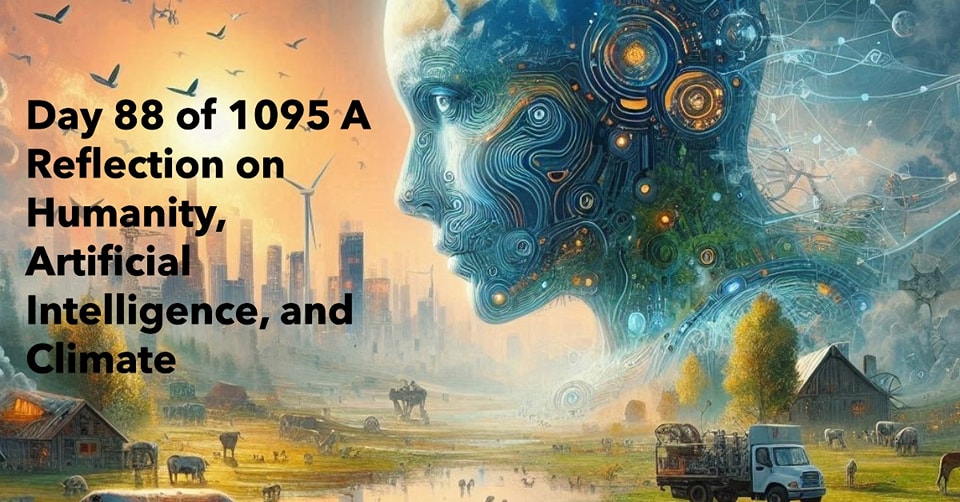
This sequence of events brought me to a crucial realization—the pursuit of efficiency and time-saving measures shares a striking resemblance to our efforts to preserve the planet. Sometimes, technology, especially artificial intelligence, can save us a significant amount of time. Yet, there are instances where the process of teaching and explaining it (prompt engineering) can actually extend the duration of our tasks and consume more resources. Similarly, while technology can aid in environmental conservation, there are also small, individual actions that each of us must take responsibility for.
It's essential to remember that technology should serve us, and we must choose wisely when to utilize it. This principle holds true even in our startup; understanding how technology assists us and when to deploy it is crucial. Until AI can independently comprehend and act autonomously, a substantial amount of human intervention is still required.
The Role of AI in Business Functions
AI-driven chatbots and virtual assistants have transformed customer service, making it more efficient and responsive. Companies like Ada, Intercom, and LivePerson are leading the way with AI solutions that handle customer queries seamlessly, reducing friction and enhancing the customer experience.
AI in HR streamlines the recruitment process, identifying top candidates from a sea of applications. Tools like Pymetrics and Eightfold.ai accelerate the hiring process, while platforms like Talmundo and ChatGPT personalize onboarding and training, leading to higher employee satisfaction and retention.
AI simplifies the analysis of vast amounts of data, uncovering key insights and strategic opportunities. Visualization tools like Tableau, Looker, and Power BI help analysts make sense of big data, while AI platforms like Alteryx and RapidMiner leverage machine learning for predictive analytics.
AI optimizes supply chain operations by analyzing historical data to predict demand, manage inventory, and reduce costs. Solutions like Blue Yonder and RELEX Solutions enhance demand forecasting, while Llamasoft and Kinaxis improve overall supply chain performance.
AI enables personalized marketing, enhancing targeting and optimizing campaigns. Platforms like Adobe Experience and Salesforce Marketing Cloud deliver tailored experiences, while tools like Brandwatch and Khoros analyze social media data to track trends and sentiment.
The Symbiotic Relationship Between AI and Human Effort
While AI offers incredible benefits, it's important to strike a balance between leveraging technology and maintaining human oversight. AI can handle repetitive, low-impact tasks, allowing employees to focus on strategic initiatives. However, ethical considerations, algorithmic biases, and privacy concerns must be addressed to ensure responsible AI deployment.
In conclusion, the integration of AI in business functions is a powerful tool for efficiency, data management, and competitive advantage. However, the human element remains indispensable. As we continue to explore the potential of AI, it's crucial to maintain a balance, ensuring that technology serves us and not the other way around.