

Psychology has a blind spot. For decades, it’s been treating pain, disorder, and trauma — which is necessary, but not enough. Because people don’t just want to survive. They want to grow.
That’s where positive psychology enters. Instead of asking, "What’s broken?" — it asks, "What’s strong?" It focuses on joy, connection, and the small wins that build resilience over time.
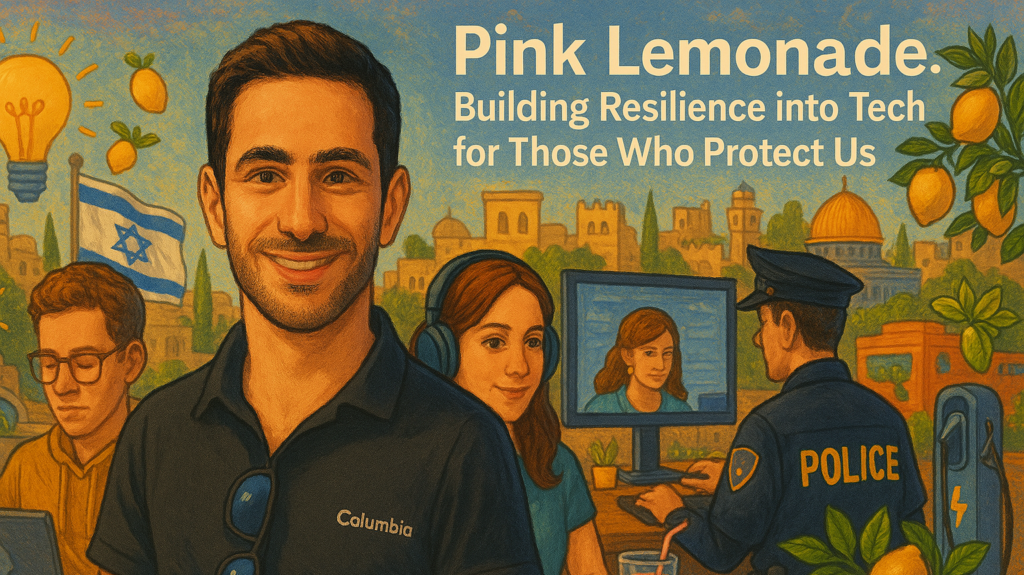
This mindset is at the heart of how we build product, and more importantly — how we walk with our users. And our users aren't typical. They're first responders. Soldiers. Medics. Security and rescue personnel. People trained to never show weakness — even while navigating trauma.
They don’t want pity. They don’t want to be seen as broken. They want tools that respect their strength, while quietly reinforcing it.
That’s why we embed positive psychology directly into the product. Not as an afterthought — but as the core.
- Amplify what already makes them feel strong
- Help them reconnect with purpose and people
- Train their "resilience muscle"
- Build a digital protective vest for real-world storms
This is not a wellness app. It’s a mission to serve those who serve us.
And in that mission, there’s a truth I want to keep close to everything we build: That tech, at its best, doesn’t just fix problems. It helps people transform.
If you're building tech — are you building for resilience, or just for retention?