

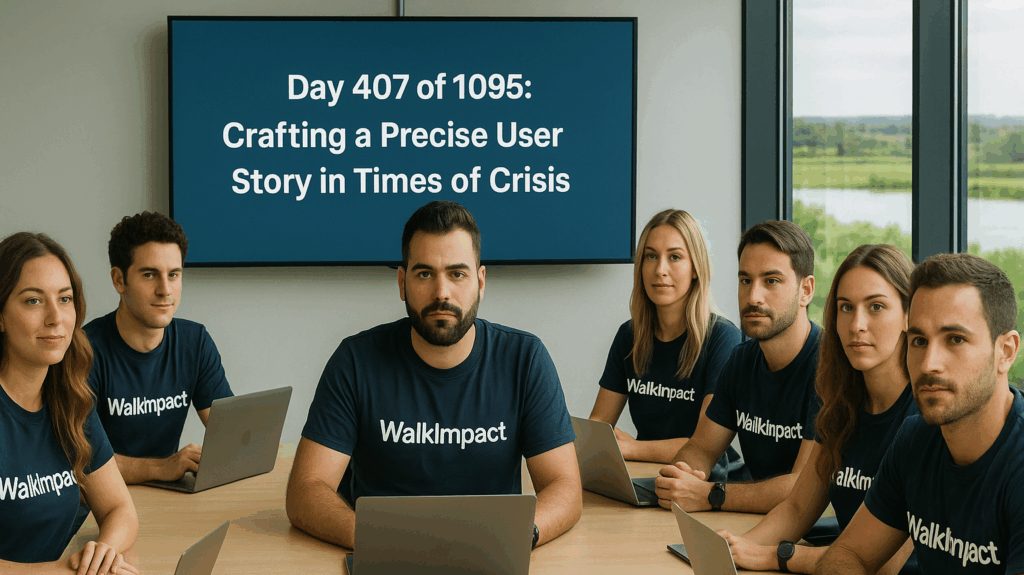
In the startup world, we often speak about user personas, pain points, and value propositions. But when your users are individuals dealing with the aftermath of war—things become profoundly more human, fragile, and urgent.
The Hard Questions We Asked
To truly understand our users, we didn’t just create segments and demographics. We dug deeper:
- What do they see?
- What do they feel?
- What are they experiencing daily?
- What do they want to change or improve?
- How do they want others to perceive them?
- And how do they see themselves now?
The Story That Emerged
No one is born ready to face prolonged warfare. It's unnatural. It's mentally unsustainable.
Most of our users are somewhere along the spectrum of trauma. Some won't seek therapy—and that's not a flaw. It’s a choice based on their values, readiness, and realities.
They return from battle altered. Even if only slightly, we are all scarred by conflict.
That’s where Lavie—our AI platform—steps in:
- Discreet, non-intrusive, and fully controlled by the user.
- Leveraging therapeutic methods and research from Stanford, Harvard, and others.
- Offering a synergy of emotional support, movement, and community.
We built Lavie for those who want to regain control without formal therapy. Those who say, "I didn’t come back the same, but I want to function and rebuild my life."
We believe in their strength. And we harness that strength to help them return to daily life—quickly, effectively, and on their terms.
Because after war, everyone faces challenges and pays a price in trying to reintegrate. Lavie ensures they don't have to be invisible. We offer a personal, discreet journey back to their best selves—for themselves, their families, and their futures.
10 Tips for Crafting Precise User Stories and Messaging
(If you’re building a story for sensitive, high-impact users)
- Empathize Deeply – Don’t assume. Interview, observe, and listen.
- Map the Emotional Journey – Identify feelings at each stage of their experience.
- Be Honest, Not Dramatic – Avoid sensationalism. Stick to authenticity.
- Address Resistance Openly – Respect their reasons for avoiding traditional solutions.
- Highlight Autonomy – Emphasize user control and choice.
- Create a Hero’s Narrative – They are the heroes, not your product.
- Use Clear, Simple Language – No jargon. Speak their language.
- Showcase Strengths, Not Weaknesses – Focus on resilience, not victimhood.
- Validate Their Reality – Make sure they feel seen and understood.
- Test and Iterate – Continuously refine the story based on real user feedback.